
- All
- Product Name
- Product Keyword
- Product Model
- Product Summary
- Product Description
- Multi Field Search
Views: 0 Author: Site Editor Publish Time: 2026-04-29 Origin: Site
Dirty diamond earrings present a dual problem. They lose their aesthetic brilliance, turning dull and cloudy over time. Worse, they pose a hidden hygiene risk by harboring bacteria directly against your skin. Diamonds themselves are famously durable. However, the precious metals and delicate settings holding them are not. Daily exposure to natural skin oils, daily lotions, and hairspray creates a stubborn film over your Diamond Earrings. Left unchecked, this dense buildup aggressively degrades delicate settings.
This guide offers an evidence-based framework for safely restoring shine. You will learn to evaluate at-home cleaning methods versus professional maintenance. We also explore the hidden dangers of popular internet cleaning hacks. By following these proven steps, you can prevent structural failure and avoid causing costly damage to your Diamonds Jewelry.
The safest and most effective DIY method requires only warm water, unscented dish soap, and a baby toothbrush.
Avoid abrasive DIY hacks (toothpaste, baking soda) and harsh chemicals (glass cleaner, bleach), which cause micro-scratches and metal degradation.
Always inspect prongs and settings *before* cleaning, especially high-risk pavé settings.
Professional cleaning should be scheduled annually to check for structural integrity and loose stones.
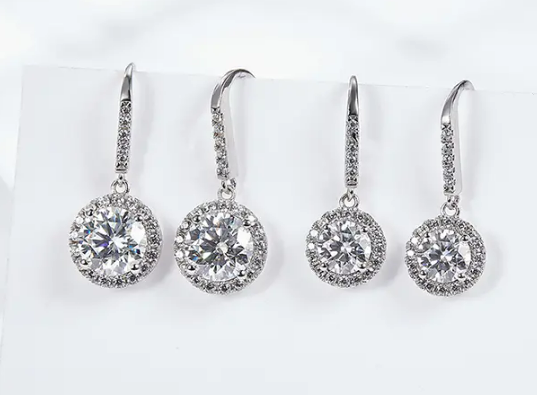
Most wearers underestimate the toll daily life takes on fine jewelry. Neglecting routine maintenance does much more than dull a stone. It actively threatens your comfort, health, and financial investment.
Diamonds sparkle because of light return. Light enters the top of the stone, bounces off the angled facets inside, and reflects back to the eye. Daily exposure to sebum, heavy lotions, and sticky hairspray disrupts this optical process. These substances create a microscopic film over the facets. This greasy layer blocks light entry. Consequently, the diamond looks lifeless, dull, or cloudy. You lose the aesthetic brilliance you originally paid for.
Earrings interact intimately with your body. The underside of the setting and the metal earring post sit directly against pierced skin. These tiny metal crevices trap dead skin cells, stale sweat, and daily bacteria. Over time, this biological buildup creates a hidden bio-film. Wearing dirty posts forces this bacteria into the ear piercing. This often leads to painful ear infections, contact dermatitis, and severe swelling. Regular cleaning sanitizes the metal, protecting your skin.
Routine cleaning serves a critical secondary purpose. It acts as a mandatory structural audit. Dirt often cakes around microscopic metal prongs. This hardened debris acts like a false glue. It temporarily holds a loose stone in place. When you wash the dirt away, you expose bent or broken prongs. Discovering a loose stone during a controlled cleaning session acts as a preventative measure. It saves you from permanently losing a valuable diamond during your daily commute.
Consumers face a flooded market of cleaning solutions. Selecting the right method requires understanding the balance between return on investment (ROI) and structural risk.
Cleaning Method | Cost / ROI | Risk Level | Best For |
|---|---|---|---|
Soap & Water | High ROI (Pennies per use) | Very Low | Weekly maintenance of all solid gold and platinum settings. |
At-Home Ultrasonic | Medium ROI ($30 - $100) | Very High | Solid metal bands only. Avoid for diamond stud settings. |
Professional Servicing | High ROI (Usually free at purchase location) | Low | Annual deep cleaning and structural inspections. |
Industry professionals universally approve this method for weekly maintenance. It costs virtually nothing. It poses zero risk to stones or precious metals when executed correctly. Warm water gently melts away skin oils. A drop of unscented dish soap acts as an emulsifier. It lifts grease without stripping the metal. This baseline approach preserves the longevity of your pieces.
Consumer-grade ultrasonic machines flood the internet. We strongly warn against them. These machines send intense sound waves through water, creating millions of microscopic bubbles. These bubbles violently implode against the jewelry, blasting away dirt. However, this intense vibration aggressively rattles microscopic prongs. It frequently loosens delicate settings. Using an at-home ultrasonic machine significantly increases your risk of dropping a diamond.
Consider professional servicing your ultimate insurance policy. Expert jewelers use commercial-grade equipment, including calibrated ultrasonics and high-pressure steam cleaners. More importantly, they inspect the piece under magnification beforehand. If they spot a compromised setting, they repair it immediately. You should view professional care as mandatory annual maintenance for high-value pieces.
Executing the right method poorly still causes damage. Follow this exact protocol to guarantee safe, brilliant results every time.
Step 1: Inspect and Secure the Area. Check for loose stones first. Tap the diamond gently near your ear. Listen for a faint clicking sound. If it clicks, stop immediately. Furthermore, never clean over an open sink. Mandate the use of a fine-mesh strainer or a dedicated glass bowl. Countless diamonds wash down drains every year due to this single oversight.
Step 2: The Soak. Create a simple cleaning solution. Mix warm water and a few drops of unscented dish soap. Unscented formulas lack the harsh chemical dyes and synthetic fragrances found in heavily scented soaps. These additives can react poorly with metal alloys. Drop your earrings into the bowl. Let them soak completely uninterrupted for 20 to 30 minutes. This critical soaking phase loosens hardened sebum.
Step 3: Precision Agitation. Do not use a standard adult toothbrush. Even "soft-bristle" adult brushes remain too stiff for high-karat gold. We strongly recommend a baby toothbrush. Gently sweep the top of the stone. To clean the underside of the setting, use a wooden toothpick. Wood is softer than gold. It easily clears away trapped dirt without scratching the metal surface.
Step 4: The Rinse. Emphasize thorough rinsing. Leftover soap residue defeats the entire process. If you leave a thin layer of soap on the stone, it dries into a cloudy film. Rinse the earrings under warm running water while holding them securely in your fine-mesh strainer.
Step 5: Safe Drying. Mandate the use of a clean, lint-free microfiber cloth. Gently pat the earrings dry. Explicitly forbid paper towels in your routine. Paper towels contain tiny wood fibers. These abrasive fibers cause permanent micro-scratches on soft gold and platinum surfaces.
The internet heavily promotes DIY jewelry cleaning hacks. Unfortunately, most of these viral methods cause irreversible chemical and physical damage.
Never use toothpaste or baking soda on fine jewelry. Both substances act like microscopic sandpaper. On the Mohs scale of mineral hardness, these household items easily outrank gold alloys. Scrubbing your earrings with toothpaste leaves hundreds of tiny micro-scratches across the metal. Over time, this ruins the smooth finish on yellow and rose gold. On white gold, it rapidly strips away the protective rhodium plating, exposing the yellowish metal underneath.
Harsh household chemicals destroy jewelry. Warn anyone attempting to use Windex, hydrogen peroxide, or Clorox wipes. Pure gold is too soft for daily wear, so jewelers mix it with alloys like copper, silver, and nickel. Harsh chemical solvents attack these specific alloys. Bleach, for example, causes pitting. It makes the metal brittle and prone to snapping. Glass cleaners leave harsh chemical residues.
Many people mistakenly use saline solution to clean their earrings. They confuse sanitizing an earlobe with cleaning a metal object. Saline effectively cleans newly pierced human skin. However, salt crystals are highly corrosive. When salt dries on precious metals, it acts as a physical abrasive. It aggressively corrodes the alloys over time, dulling the finish permanently.
Not all earrings require the same physical handling. You must adapt your technique based on the specific architecture of the jewelry.
Pavé settings feature tiny diamonds held tightly together by microscopic beads of metal. These micro-prongs are highly susceptible to bending. They require a modified, ultra-gentle approach. Execute zero scrubbing on pavé sections. A baby toothbrush can easily snag a tiny prong and bend it backward. Rely entirely on the 30-minute soak to dissolve dirt. Rinse gently and air dry.
Consumers often worry about treating different gold colors differently. The warm water and unscented dish soap method is universally safe. It works perfectly for white gold, yellow gold, rose gold, and pure platinum. It neutralizes dirt without triggering any unwanted chemical reactions in the unique alloys.
Proper storage prevents the need for excessive cleaning. Advise keeping diamond earrings in separate, soft-lined compartments. Diamonds rate a perfect 10 on the Mohs hardness scale. They are the hardest naturally occurring mineral. If you store them loose in a mixed jewelry box, they will permanently scratch softer gems like pearls and opals. They will also gouge adjacent metal bands. Finally, keep them out of high-humidity environments. Bathrooms accelerate tarnishing. Store them in a dry, climate-controlled bedroom drawer.
Knowing when to stop DIY cleaning prevents catastrophic damage. You must recognize the physical limits of at-home maintenance.
Provide clear triggers for immediate escalation. Stop your DIY routine if you notice any of the following warning signs:
Visible movement or clicking sounds: If the diamond shifts when you touch it with a toothpick, the prong is failing. Do not wear the piece.
Bent posts or loose backings: Metal fatigue happens. Trying to bend a post back into place yourself usually snaps it entirely. Let a jeweler apply professional heat and tools.
Persistent cloudiness: If a 30-minute soak cannot lift the fog, the issue might not be dirt. The stone might have a chemical burn from previous harsh cleaners, or you may have a cracked inclusion.
We highly recommend scheduling a bi-annual or annual professional check-up. Jewelers offer specialized tightening and re-polishing. This simple habit secures the long-term lifespan of your collection.
Maintaining the brilliance of your jewelry demands consistency, not aggressive chemical intervention. Stick to gentle, proven methods to protect your pieces. Keep a dedicated baby toothbrush and unscented dish soap nearby for weekly maintenance. Always inspect the prongs before you begin. Never underestimate the destructive nature of common household cleaners or paper towels. Pairing a disciplined weekly DIY routine with an annual professional inspection guarantees the best possible balance. You will maintain stunning aesthetic brilliance while fully securing your valuable investment for decades.
A: Diamonds look cloudy because a microscopic film of daily lotions, soaps, and natural skin oils coats their facets. This greasy layer blocks light from entering and reflecting inside the stone. Regular cleaning removes this barrier and restores the natural sparkle.
A: You can wipe the metal earring post with alcohol to sanitize it before insertion. However, do not soak the entire jewelry piece in rubbing alcohol. Harsh alcohols can damage specific metal finishes and treatments. Warm soapy water remains the safest way to clean the whole setting.
A: We recommend a practical cadence. Perform a light, gentle clean every one to two weeks for pairs you wear daily. Additionally, take them to a professional jeweler once a year for a deep clean and a structural prong inspection.


