
- All
- Product Name
- Product Keyword
- Product Model
- Product Summary
- Product Description
- Multi Field Search
Views: 0 Author: Site Editor Publish Time: 2026-05-04 Origin: Site
Moissanite is a popular gemstone known for its brilliance and fire, but many buyers wonder whether it appears “see-through.” Understanding how moissanite interacts with light, how its cut affects sparkle, and how its transparency differs from diamonds is essential for choosing a high-quality stone. This guide explores moissanite’s optical properties, common misconceptions, and how to evaluate its visual depth for jewelry.
In gemstones, transparency refers to the ability of light to pass through a stone, while “see-through” suggests that objects behind the gemstone are clearly visible, like glass. True gemstones like moissanite are transparent but not fully see-through, as their optical properties bend and reflect light within the stone.
Light entering a gemstone is refracted, reflected, and dispersed, creating sparkle and brilliance. The degree to which light bends depends on the stone’s refractive index, cut angles, and clarity.
The pavilion—the lower portion of a gemstone—directs light back through the crown. Proper pavilion angles enhance internal reflection, preventing the stone from appearing flat or see-through.
· Moissanite: 2.65–2.69
· Diamond: 2.42
A higher refractive index means moissanite bends light more intensely, which produces a livelier and more fiery sparkle compared to diamonds. This optical property is central to moissanite’s appeal, giving it exceptional brilliance that can sometimes create the illusion of transparency or a “see-through” appearance under certain lighting conditions. Because light interacts with moissanite more dramatically, it can appear almost weightless or more ethereal at specific angles, making the gemstone particularly eye-catching in moissanite jewelry. Rings, earrings, pendants, and other fine jewelry pieces benefit from this dazzling optical effect, allowing moissanite to stand out as a brilliant, affordable, and visually striking alternative to traditional diamonds.
Moissanite’s high refractive index also affects its light dispersion, which refers to how the stone separates white light into its spectral colors. This creates rainbow flashes that are often more pronounced than those seen in diamonds. These flashes of color, combined with the gemstone’s internal reflections, can make certain areas of the stone appear less dense or slightly transparent, especially in large stones or in jewelry pieces exposed to bright sunlight or artificial lighting. Despite this effect, properly cut moissanite maintains strong visual brightness and scintillation, ensuring that the overall impression is dazzling rather than dull or lifeless. The combination of brilliance and dispersion is what makes moissanite jewelry so attractive to consumers seeking vibrant sparkle without the higher cost of diamonds.
Even if a moissanite stone seems “see-through” under intense light, it is anything but lacking in sparkle. The way moissanite reflects and refracts light creates a dynamic play of brightness and color across the surface of the gem. This optical activity enhances the overall depth and appeal of the stone in jewelry applications. Engagement rings, earrings, pendants, and other fine jewelry often leverage this characteristic to create pieces that look lively from every angle, making moissanite a preferred alternative for those who want both beauty and value.
Moissanite is doubly refractive, meaning that a single beam of light entering the stone splits into two separate rays. This doubling effect contributes to the gemstone’s extraordinary sparkle and adds subtle visual complexity that can make the gem appear to have more internal depth.
Under a jeweler’s loupe, the facet edges and reflections in moissanite may appear duplicated, creating a layered effect that enhances the gemstone’s liveliness. This facet doubling is unique to moissanite and differentiates it from diamonds, which are singly refractive and reflect light more uniformly. The double refraction contributes to the perceived “see-through” effect, as light is dispersed and reflected in multiple directions, giving the stone a visually complex appearance that can seem airy yet radiant.
The cut of a moissanite stone is critical in determining how light travels through it and how much brilliance and color it exhibits. Poorly cut stones can appear flat or excessively transparent, reducing the visual density and overall impact of the jewelry piece. Conversely, a well-executed cut maximizes internal reflections, ensuring that the stone displays intense fire, scintillation, and overall brilliance.
· Round Brilliant: Designed to maximize sparkle, ideal for rings and pendants.
· Crushed Ice Cut: Produces textured brilliance for unique, eye-catching jewelry.
· Step Cuts: Elegant, geometric cuts emphasizing clarity, often used in luxury or statement pieces.
By choosing the right cut and understanding the optical properties, moissanite jewelry can combine extraordinary brilliance with a luxurious appearance that rivals traditional diamonds. Its higher refractive index, double refraction, and skillful cutting allow moissanite to shine with fiery intensity while maintaining a delicate, sometimes “see-through” aesthetic that makes it both distinctive and highly desirable.
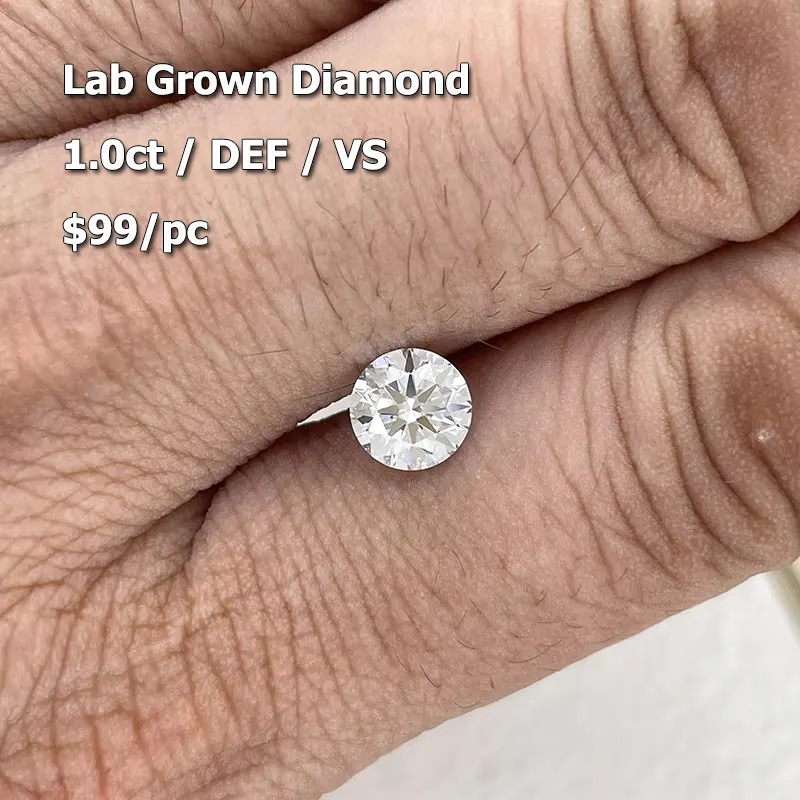
While diamonds are singly refractive, moissanite’s higher refractive index and double refraction make it appear slightly more vivid but can also create a “see-through” illusion under certain angles.
· Moissanite: Dispersion = 0.104, producing rainbow flashes
· Diamond: Dispersion = 0.044, subtler fire
Moissanite’s facets reflect light internally, creating depth despite being transparent. Proper cuts prevent excessive see-through effects.
· Dot Test: Place a dot beneath the stone; doubling may appear due to refraction.
· Newspaper Test: Print text underneath to observe clarity and magnification effects.
Transparency is a natural optical property, not a defect.
Dirt or poor polishing may give the illusion of being see-through or cloudy. Proper cleaning restores sparkle.
Strong lighting can temporarily exaggerate transparency, but it is part of moissanite’s fire and brilliance, not an indicator of poor quality.
Evaluating whether a moissanite appears too “see-through” involves examining its clarity, light performance, and overall optical quality. While some transparency is natural due to its high refractive index and double refraction, overly transparent stones can sometimes look flat or lack visual depth. Using proper techniques ensures that the stone maintains brilliance and fire while confirming it is of high quality.
Start by inspecting the moissanite under 10× magnification using a jeweler’s loupe. Look closely at the clarity, inclusions, and the definition of facets. High-quality moissanite should appear eye-clean, with no visible inclusions or gaps that make it look empty. Facet edges should be crisp and well-defined, reflecting light effectively to enhance sparkle. This magnification step allows you to see how light travels through the stone and whether its internal structure contributes to a lively appearance or an overly transparent, flat look.
The fog test helps evaluate transparency and overall quality. Breathe gently on the moissanite to create condensation on its surface. A quality stone disperses the condensation quickly, leaving no lasting cloudiness. If the stone retains fog for several seconds, it may indicate poor cutting, lower-quality material, or excessive internal transparency that reduces optical depth. This simple test can help identify stones that might appear too see-through under everyday lighting conditions.
Examine the moissanite under bright sunlight or LED lighting. Look for rainbow flashes, which indicate proper light dispersion and internal reflection. A well-cut moissanite will display vivid fire and brilliance even if it appears slightly transparent from certain angles. Stones that fail to produce these flashes may have suboptimal cuts or lower-quality material, making them appear flat or too clear.
For additional assurance, professional diamond and moissanite testers can confirm the stone’s authenticity. This is particularly useful if transparency concerns persist. Conductivity testers differentiate moissanite from diamonds and ensure that the stone possesses the expected optical and physical properties. Professional evaluation provides peace of mind that the jewelry you are purchasing or evaluating maintains both visual appeal and quality.
By combining these steps—magnification inspection, fog testing, observation under bright light, and professional testing—you can confidently determine whether a moissanite is appropriately brilliant, fiery, and visually appealing, or if it appears excessively see-through.
· Buying Tip | · Recommendation |
Selecting the Right Cut for Brilliance | Opt for Round Brilliant or Crushed Ice cuts to maximize sparkle and minimize see-through appearance. |
Choosing Colorless Grades (D-F) | Select colorless grades (D-F) to reduce subtle tints and achieve a more diamond-like visual depth. |
Q1: Is Moissanite Fake?
No, it is a real gemstone made of silicon carbide.
Q2: Will Moissanite Pass a Diamond Tester?
Many pass basic thermal testers; advanced testers differentiate accurately.
Q3: Does Moissanite Get Cloudy Over Time?
No, it is chemically stable; cleaning restores brilliance if dull.
Q4: Are Moissanites Clear?
Yes, high-quality stones are transparent and eye-clean.
Moissanite is naturally transparent, though not see-through like glass, and its proper cut, high quality, and colorless grades maximize sparkle and brilliance. This transparency is a key strength, giving moissanite its lively, colorful, and fiery appearance. Carefully selected moissanite stones create rings and jewelry that are not only beautiful and durable but also an ethical and sustainable alternative to diamonds. For those seeking high-quality moissanite with exceptional sparkle and craftsmanship, Guangxi Wuzhou Starsgem Co., Ltd. offers expertly produced stones, consistent quality, and professional guidance. Explore their collection or contact the company directly to find the perfect moissanite pieces that combine elegance, fire, and lasting brilliance, making every jewelry piece a statement of both style and conscience.


