- All
- Product Name
- Product Keyword
- Product Model
- Product Summary
- Product Description
- Multi Field Search
Views: 0 Author: Site Editor Publish Time: 2026-07-24 Origin: Site
While a lab-grown diamond scores a perfect 10 on the Mohs hardness scale, the metal holding it certainly does not. Daily wear-and-tear targets the setting first, exposing vulnerable prongs and delicate bands to constant friction. Even the hardest gemstone cannot compensate for a flimsy mounting. Consumers investing in lab grown diamond jewelry for daily wear often hyper-focus on the stone’s 4Cs. They completely neglect the structural integrity of the setting holding their precious gem. Unfortunately, a brilliant stone offers little value if it falls out during a mundane task. To prevent lost stones, snagged clothing, or bent bands, you must evaluate settings based on your daily lifestyle. You will learn how to balance maximum light performance alongside vital structural security. We will explore exactly which designs survive real-world conditions best.
Bezel settings offer the highest level of security for active lifestyles by wrapping the diamond in a protective metal rim.
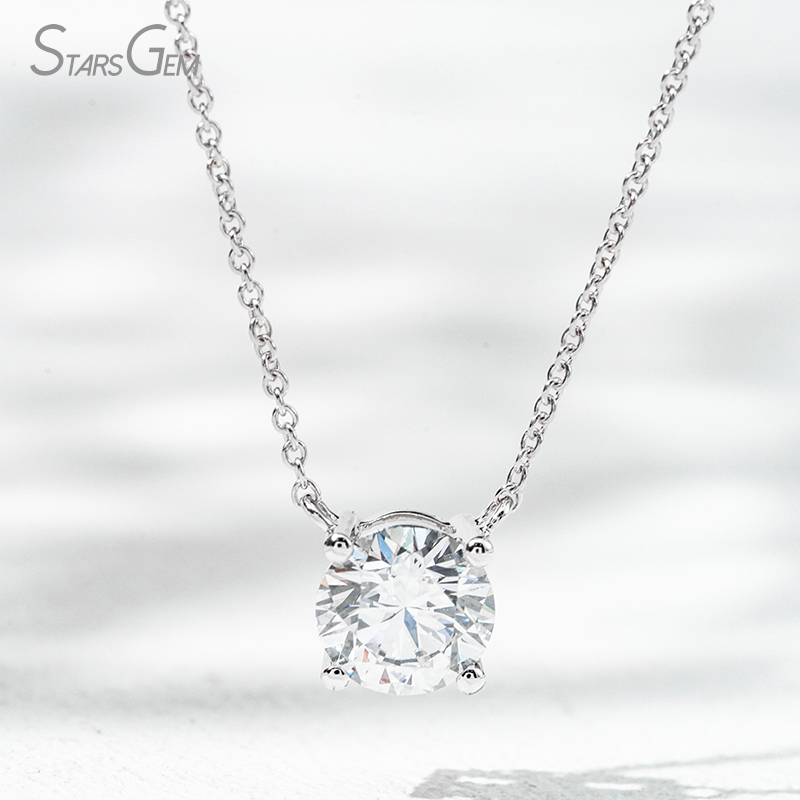
Low-profile prong settings provide a secure middle ground for a lab grown diamond engagement ring, minimizing snag risks while maximizing brilliance.
Channel and flush settings are optimal for multi-stone bands, keeping diamonds secure below the metal's surface.
Fragile designs, such as high-set tension rings or ultra-thin pavé bands, require high maintenance and are not recommended for rigorous daily use.
Jewelry buyers face a constant struggle when selecting everyday pieces. You want your diamond to sparkle brilliantly from across the room. To achieve maximum light refraction, jewelers must expose the stone. They lift it high and strip away surrounding metal. However, exposing the gem increases its physical vulnerability. You must cover the stone in metal to protect it properly. This creates a direct conflict between aesthetic brilliance and structural safety.
We recommend evaluating every piece of daily wear jewelry through a strict set of criteria. Before making a purchase, you should analyze how the setting will behave during routine tasks. The industry relies on specific risk factors to grade setting durability.
Evaluation Criteria | Definition | Primary Risk Factor |
|---|---|---|
Snag Risk | How easily the setting catches on fabrics, hair, or equipment. | Raised prongs pulling loose threads or scratching surfaces. |
Impact Vulnerability | The degree of exposure for the diamond's delicate girdle (outer edge). | Direct strikes against hard surfaces causing chipped edges. |
Metal Deformation | The risk of metal warping over time due to pressure. | Bands bending out of shape and releasing the center stone. |
Snag risk represents the most common daily annoyance. High-set prongs easily catch on sweaters, medical gloves, or pockets. Frequent snagging bends the prongs backward. Impact vulnerability threatens the gemstone itself. While diamonds resist scratching, hard blows to an exposed girdle can cause chipping. Metal deformation happens slowly over years. Gripping heavy bags or steering wheels gently warps the band. This warping eventually compromises the grip on your diamond.
A bezel setting utilizes a continuous collar of metal. This metal completely surrounds the perimeter of the diamond. Jewelers expertly fold a thin rim of gold or platinum over the edge of the stone. This creates a secure, custom-fit frame. For those leading highly active lives, this mechanism provides unmatched peace of mind.
This design works exceptionally well for everyday wear. It completely eliminates traditional prongs. Zero prongs mean zero risk of snagging on clothing or scratching against skin. Furthermore, the bezel protects the most vulnerable part of the diamond. It wraps the entire girdle in shock-absorbing metal. This shields the thin edge from accidental strikes against countertops or door frames.
We find bezel settings ideal for specific demographics. Healthcare workers, athletes, and fitness enthusiasts benefit greatly from this streamlined design. It also serves as the ultimate choice for a lab grown diamond pendant necklace. Pendants rest directly against clothing. A bezel ensures the pendant glides smoothly over fabrics without catching.
You must consider a minor trade-off regarding transparency. The solid metal wall slightly restricts light entering from the sides of the diamond. However, top-down brilliance remains largely unaffected. The stone will still flash brightly when viewed from above. Many buyers gladly accept this slight reduction in side-light for the massive gain in security.
Not everyone wants the modern, enclosed look of a bezel. Many prefer traditional metal claws. A low-profile prong setting uses four or six metal claws to secure the stone. Jewelers engineer the base of the setting to sit as close to the finger as possible. The culet (the bottom point of the diamond) rests just above the band.
This approach works wonderfully for everyday use. It maintains the classic, romantic aesthetic of a lab grown diamond engagement ring. Yet, it removes the height hazards associated with a traditional "cathedral" or high-set Tiffany style. A lower center of gravity prevents the ring from catching on objects. It also prevents the setting from acting like a lever when bumped.
You must understand the distinct logic between six-prong and four-prong configurations. Six prongs offer a critical failsafe. If you accidentally bend one prong, the remaining five keep the stone secure. You have time to visit a jeweler for repairs. Four prongs show more diamond surface area and allow more light inside. However, they carry a much higher risk. If one prong bends in a four-prong setup, the stone immediately falls out.
Best Practice: Always follow a strict implementation rule for prong settings. You must inspect the prongs annually for thinning. Gold and platinum wear away over time due to daily friction. Professional jewelers can identify paper-thin prongs and rebuild them before disaster strikes.
Multi-stone jewelry requires different engineering than solitaire pieces. You need mechanisms that secure dozens of tiny diamonds without creating a jagged surface. Channel and flush settings solve this problem brilliantly.
In a channel setting, jewelers suspend diamonds between two parallel tracks of metal. The stones sit shoulder-to-shoulder within a protective groove. A flush setting, also known as a gypsy setting, takes a different approach. The jeweler drills a precise hole directly into the band. They press the diamond into the hole. The top of the stone sits entirely flush against the metal surface.
Both options work perfectly for everyday wear. They sink the diamonds entirely below the striking surface of the ring. If you run your finger over the top, you feel only smooth metal. This frictionless design prevents the diamonds from enduring direct impacts.
We recommend these styles for specific applications. Men’s wedding bands frequently utilize flush settings for a durable, understated look. Stackable rings benefit immensely from channel settings. They allow multiple rings to rub against each other without scratching adjacent stones. Daily-wear tennis bracelets also rely on secure, enclosed channels to survive continuous movement.
Demonstrating trustworthiness requires highlighting the limitations of certain popular designs. Not all jewelry is engineered to withstand daily life. We advise buyers to wear the following styles with extreme caution or avoid them for daily tasks entirely.
High-set solitaires act like a lightning rod for damage. They elevate the diamond far above the finger. This creates a massive target for doorframes, desks, and car doors. A single hard strike can bend the entire head of the ring backward. This warping weakens the metal and compromises the stone.
Tension settings offer a stunning, futuristic look. The diamond appears suspended in mid-air between two ends of a band. However, they rely entirely on the tensile strength of the metal. If you grip a heavy object or lift weights, you can squeeze the band. A slight warp in the metal shape releases the tension. The stone will instantly pop out of the setting.
Ultra-thin micro-pavé bands represent the highest risk category. Social media trends heavily favor bands measuring under 1.6mm in width. These delicate rings lack basic structural integrity. They are highly susceptible to warping. When a thin band bends, the microscopic prongs holding the tiny pavé diamonds break. This leads to a constant cycle of losing and replacing small stones.
Common Mistake: Many consumers prioritize a dainty aesthetic over longevity. Never choose a band thinner than 1.8mm for a ring you intend to wear every day.
Selecting the right setting does not have to be overwhelming. We developed a clear decision framework to help you shortlist the perfect design. Follow these steps to align your lifestyle requirements with the correct structural architecture.
Analyze your daily routine honestly. Identify moments where your hands endure stress. Typing at a desk poses minimal risk. Wearing latex medical gloves demands a snag-free design. Operating heavy machinery or lifting weights requires removing rings entirely. Choose a setting that survives your most rigorous daily activity, not your easiest.
Different jewelry types experience different force vectors. A bezel setting is foolproof for earrings and necklaces. Pendants experience minimal blunt force but face constant fabric friction. Low-profile prongs work better for center-stone rings where you want to maximize light performance without adding dangerous height.
Your metal choice drastically impacts setting durability. Platinum is dense and highly durable. When struck, platinum displaces rather than breaks. It bends out of the way, holding onto the stone securely. In contrast, 14k gold is harder and more scratch-resistant than 18k gold. However, gold wears away over time like a pencil eraser. 14k gold offers a great balance of hardness and affordability for daily rings.
Next steps involve practical shopping strategies. We advise readers to filter online product catalogs using terms like "low-profile" or "bezel-set". Always request exact metal thickness specifications from the jeweler before purchasing. Ensure the band measures at least 1.8mm wide and 1.5mm thick.
The longevity of your lab grown diamond jewelry relies entirely on the architectural integrity of its setting. While the gemstone resists scratches flawlessly, the metal framework dictates whether the piece survives decades of use. Prioritize function over fragile aesthetics when selecting everyday pieces.
We recommend bezel settings or low-profile six-prong designs for rings. These options offer the best balance of safety and beauty. For wedding bands and bracelets, channel settings ensure stress-free wear by keeping stones below the impact zone. Always remember to schedule professional inspections annually to catch metal fatigue early.
Start evaluating your jewelry box today. Browse our extensive collection of low-profile and bezel-set designs engineered specifically for modern, active lifestyles.
A: It can actually make the diamond look larger if the bezel metal is white. Platinum or white gold blends seamlessly with the edge of the stone. This creates an optical illusion, expanding the visual footprint of the gem. Conversely, a yellow or rose gold bezel creates a distinct border, which clearly defines the stone's actual size.
A: For daily wear, professional inspection every 6 to 12 months remains the industry standard. A jeweler uses a loupe to check for bent or thinned prongs. Catching structural fatigue early prevents catastrophic stone loss and saves you significant repair costs.
A: Platinum is denser and far more secure for delicate prongs. When scratched, platinum displaces metal rather than losing mass. 14k gold provides excellent scratch resistance and durability. However, gold prongs slowly wear away through friction and will require professional re-tipping after a decade of heavy use.