
- All
- Product Name
- Product Keyword
- Product Model
- Product Summary
- Product Description
- Multi Field Search
Views: 0 Author: Site Editor Publish Time: 2026-04-22 Origin: Site
We all love the effortless beauty of putting on our favorite pieces and never taking them off. It feels incredibly convenient to leave them on day and night. However, this daily habit creates a hidden dilemma when dealing with an expensive asset. While the diamond itself stands as the hardest natural material on earth, the delicate metal setting holding it remains highly vulnerable to your daily shower routine.
Many owners unknowingly risk severe degradation just to save a few seconds each morning. This guide provides an evidence-based breakdown of the physical, chemical, and hygiene risks involved in this common habit. You will learn how to evaluate the true cost of showering with your Diamond Earrings. Finally, we will share actionable strategies to protect your investment and maintain brilliant sparkle for years to come.
The Short Answer: Showering with diamond earrings is not recommended. It increases the risk of stone loss, degrades metal settings, and traps bacteria.
The Hidden Culprits: Thermal expansion from hot water loosens prongs, while hard water and soap scum permanently dull the diamond's fire.
Setting Vulnerabilities: Pavé settings and traditional prong mounts are at the highest risk for damage in the shower; bezel settings offer slightly more protection.
Asset Preservation: Routine professional inspections and deep cleanings are the only way to reverse hard-water damage and secure weakened prongs, keeping your Total Cost of Ownership (TCO) low.
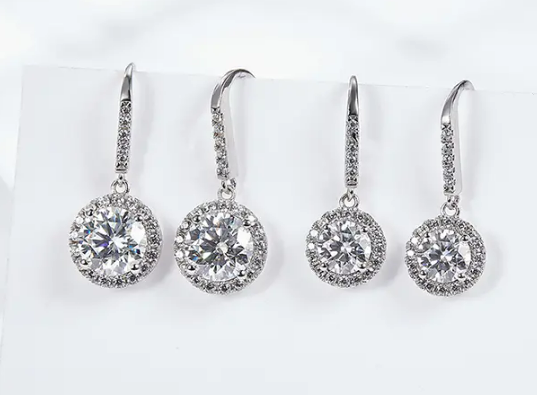
Most owners worry about chemicals, but physics presents the biggest threat. Hot shower water causes precious metals like gold and platinum to expand slightly. When you step out into cool bathroom air, these metals contract. You repeat this thermal cycle every single day. Over time, this constant expansion and contraction slowly creates micro-gaps in the prongs. The metal experiences fatigue. It loses its grip on the stone. This inevitable structural weakening leads directly to a loose or lost diamond.
Water alone does not chemically alter diamonds. They are incredibly stable carbon structures. However, your bath products tell a different story. Body wash, shampoo, and conditioner contain heavy moisturizers, oils, and silicones. These ingredients coat the diamond. They create a stubborn, cloudy film across the facets. A diamond gets its signature sparkle by refracting light. When a milky layer of soap scum coats the surface, light cannot enter or exit properly. The stone quickly loses its brilliance and looks cheap.
Your tap water likely contains high levels of dissolved minerals. Calcium and magnesium are the most common culprits in hard water. When you shower, these minerals bake onto the surface of your Diamonds Jewelry. Water evaporates, but the minerals stay behind. They create stubborn, crusty spots on the facets. Standard household cleaning methods often fail to remove these baked-on deposits. They require specialized solutions to dissolve. Over months of daily showering, this mineral scale makes the gemstone appear permanently dull and lifeless.
Showers create incredibly slippery environments. Wet skin mixed with slick soap eliminates essential friction. Standard earring backs rely entirely on friction to stay secure. When soap enters the piercing hole, a push-back clasp can slide off without any resistance. You might bump your ear while washing your hair. That tiny impact can instantly dislodge a high-value asset. Watching a precious stone wash down the shower drain remains a devastating and common reality for many owners.
Your bathing accessories pose a severe physical danger. Terrycloth towels feature thousands of tiny cotton loops. Shower sponges and loofahs use dense plastic mesh. Both materials easily catch on protruding metal prongs. You might dry off vigorously after a warm shower. A strong, sudden pull from a caught towel can bend a prong backward. In worse scenarios, it can rip the earring out of your lobe entirely. This causes painful physical injury and ruins the jewelry.
We must address the unspoken consequence of leaving jewelry in constantly. Ear piercings require clean, dry conditions to remain healthy. Showers introduce excess moisture. Shampoo residue, sweat, and dead skin cells become trapped behind the earring back. This combination creates a perfect breeding ground for bacteria. Fungi and bacteria thrive in warm, dark, moist environments. This buildup quickly leads to a highly unpleasant odor. It also drastically increases your risk of developing a painful ear lobe infection.
Common Mistake: Many people assume showering "cleans" their piercings. In reality, regular soap leaves a film that traps existing bacteria against the skin. You must remove the hardware to clean the area properly.
Not all earrings react to water the same way. The way a jeweler mounts the stone directly impacts its durability. You must evaluate your specific piece to understand your risk level.
Designs featuring dozens of tiny diamonds are highly susceptible to damage. Jewelers call these pavé or micro-pavé settings. Tiny beads of metal hold these accent stones in place. Hot water easily warps these microscopic structures. Furthermore, some inexpensive designs use subtle adhesives to secure secondary stones. Hot water and steam aggressively dissolve jewelry glue. If you wear glue-assisted pieces in the shower, you will eventually lose stones.
Classic solitaire studs usually feature 3-prong (Martini) or 4-prong (Basket) settings. These open designs allow maximum light into the diamond. Unfortunately, they also allow maximum soap scum to enter. The deep crevices easily trap thick layers of residue. They are also highly vulnerable to towel snags. The exposed prongs act like tiny hooks catching on fabric threads.
Bezel settings encase the entire perimeter of the diamond in a solid rim of metal. They offer the safest option for heavy wearers. Towels cannot snag them easily. Soap has fewer hidden crevices to hide in. Additionally, metal choice matters. Platinum resists chemical tarnishing much better than white or yellow gold. However, a platinum bezel setting will still collect surface residue over time.
Your choice of backing determines your risk of loss. Let's compare the three main types.
Push-Backs: These present the highest risk. They rely solely on friction, which fails instantly when lubricated by shampoo.
Screw-Backs: These offer excellent security against accidental loss. However, constant removal for cleaning can strip the delicate threads over time.
Flat-Backs: These provide the best sleeping comfort. They sit flush against the skin. Still, they tightly trap moisture and require regular removal for proper hygiene.
Setting Vulnerability Chart
Setting / Hardware Type | Water & Snag Risk Level | Primary Vulnerability in Showers |
|---|---|---|
Pavé / Micro-Pavé | Extreme | Micro-prongs warp easily; dissolved adhesive drops stones. |
Classic Prongs (3 or 4) | High | Prongs snag on towels; open basket traps heavy soap scum. |
Bezel Setting | Low | Traps less dirt, but still develops a cloudy film on the surface. |
Push-Backs (Friction) | High | Easily slide off wet, soapy ears and fall down the drain. |
We highly advise against showering in your precious metals. Still, we know some people will refuse to take them off. If you insist on leaving them in, you must adopt strict harm reduction protocols. You can mitigate the worst damage by following these steps.
You must control the environment. Keep the water lukewarm rather than scalding hot. Lower temperatures reduce the severe thermal expansion of the metal. Next, change your washing order. Wash your body first. Wash your hair and face at the very end of the shower. This minimizes the total minutes the jewelry is exposed to harsh chemicals. Rinse the ear area thoroughly with clean water right before stepping out.
You need a secondary lock. Standard metal friction backs fail when wet. Purchase tight, medical-grade silicone earring backs. Slide these soft silicone tubes over the post, right behind the standard metal back. The silicone grips the metal post aggressively. Even if soapy water loosens the metal backing, the silicone creates a strong secondary barrier against slipping.
You must establish a Standard Operating Procedure (SOP) for drying. Implement these exact steps to avoid snags and buildup.
Ditch the terrycloth: Never dry your ears with a looped bath towel. Gently pat the earlobes dry using a smooth microfiber cloth.
Evaporate trapped moisture: Use a hair dryer on the "cool" setting. Briefly blow air behind the earlobe to dry out the piercing hole completely.
Weekly gentle cleansing: Once a week, mix warm water and a tiny drop of mild, non-moisturizing dish soap. Use an ultra-soft baby toothbrush to gently scrub around the prongs.
Rinse thoroughly: Wash away the loosened soap scum with fresh water and dry again.
Best Practice: Always plug your sink drain before cleaning your jewelry. If a stone falls out during brushing, you will catch it safely.
Treat your fine jewelry like a financial asset. It requires a smart business case for preservation. Consider the Total Cost of Ownership (TCO). Replacing a lost 1-carat diamond costs thousands of dollars. Repairing a stripped screw-back costs a fraction of that. Taking your earrings off takes only five seconds. The Return on Investment (ROI) of removing them before a shower is infinitely better than paying for a lost stone. Proper daily habits keep your lifetime TCO extremely low.
Weekly scrubbing helps, but it has severe limits. A toothbrush cannot fix a micro-loose prong. Dish soap cannot dissolve baked-on calcium from hard water stains. At-home methods only tackle surface-level grime. If you wear them daily in the shower, oils and minerals will eventually harden in microscopic crevices. You cannot reverse this specific type of damage in your bathroom sink.
You need routine professional intervention to protect your asset. We strongly recommend booking an annual checkup with a certified jeweler. They provide two critical services you cannot do at home.
First, they perform a structural inspection under high magnification. They check prong integrity. They look for metal fatigue caused by thermal expansion. They tighten the setting before a stone falls out.
Second, they perform an ultrasonic cleaning. This machine uses high-frequency sound waves. It creates microscopic bubbles in a specialized cleaning solution. These bubbles safely blast away deep-set grime, hard water scale, and trapped dead skin. This professional process completely restores the factory-level brilliance of the diamonds.
Final Verdict: The risks of lost stones, hygiene issues, and dulling vastly outweigh the minor convenience of showering with your earrings. Hot water weakens prongs, while soaps create a permanent cloudy film.
Form a New Habit: Place a small ring dish safely outside your bathroom. Train yourself to remove your pieces every single time you turn on the water.
Schedule Maintenance: If you have been showering in your studs for months, assume they are dirty and potentially loose. Book a prong-check and professional ultrasonic cleaning with a certified jeweler immediately to assess existing wear and tear.
A: No. Swimming pools and hot tubs contain high levels of chlorine. Chlorine aggressively attacks and degrades gold alloys, making prongs brittle. Additionally, cold pool water causes your skin to shrink temporarily, which drastically increases the chances of an earring slipping out unnoticed.
A: Hard water does not damage the actual carbon structure of the diamond. However, it bakes stubborn calcium and magnesium deposits onto the facets. These cloudy spots cannot be removed with regular soap. They require professional-grade ultrasonic equipment and specialized solvents to dissolve completely.
A: Leaving earrings in constantly traps moisture, dead skin cells, sebum, and shampoo residue inside the piercing tract. This warm, damp environment acts as a breeding ground for natural skin bacteria. As these bacteria feed on the trapped organic matter, they release a noticeable, foul odor.
A: For daily wearers, perform a light at-home cleaning once a week using warm water, mild dish soap, and a soft brush. Beyond home care, take them to a professional jeweler every 6 to 12 months for a deep ultrasonic cleaning and structural prong inspection.


