
- All
- Product Name
- Product Keyword
- Product Model
- Product Summary
- Product Description
- Multi Field Search
Views: 0 Author: Site Editor Publish Time: 2026-04-29 Origin: Site
Many people wonder if moissanite is the same as a lab-grown diamond due to its brilliance and clarity. While both can be created in a laboratory, moissanite and lab-grown diamonds are chemically, structurally, and visually distinct. Understanding the differences between these gemstones helps consumers make informed choices when selecting jewelry, balancing beauty, durability, and budget.
A lab-grown diamond (also called a synthetic or man-made diamond) is created in a controlled laboratory environment. These diamonds are chemically and physically identical to natural diamonds, consisting entirely of carbon atoms arranged in a cubic crystal lattice. Lab diamonds offer the same sparkle, hardness, and visual appeal as mined diamonds, making them a popular and ethical alternative in jewelry. They are often used alongside moissanite jewelry, providing consumers with a range of stunning, durable, and responsibly sourced options for engagement rings, earrings, and other fine pieces.
Both lab-grown and natural diamonds are pure carbon, with a Mohs hardness of 10. They share identical optical and physical properties, making them virtually indistinguishable to the naked eye. Differences only arise in origin, price, and certification.
Moissanite was first discovered in nature by Dr. Henri Moissan in 1893 in a meteorite crater. Natural moissanite is extremely rare, making jewelry-grade stones nearly impossible to source in large sizes.
Modern moissanite is primarily lab-grown, allowing jewelers to produce consistent, high-quality gemstones in various cuts and sizes. Lab-grown moissanite is environmentally friendly, ethically sourced, and more affordable than both natural moissanite and diamonds.
Moissanite consists of silicon carbide (SiC), which differs from diamond’s pure carbon structure. This chemical difference gives moissanite unique optical properties, including higher refractive index and dispersion rates, contributing to its signature fire and brilliance.
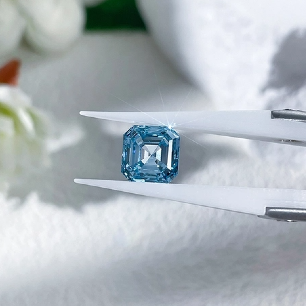
Understanding the differences between moissanite and lab-grown diamonds is essential for consumers, jewelers, and enthusiasts alike. While both gemstones can be used in fine jewelry and share some visual similarities, their chemical composition, crystal structure, optical properties, and durability are distinct. These differences affect everything from sparkle and fire to long-term wearability, making each stone uniquely suited for different tastes, budgets, and priorities.
Moissanite and lab-grown diamonds differ fundamentally at the chemical level.
· Moissanite: Composed of silicon carbide (SiC), moissanite is a compound that occurs naturally in tiny amounts in meteorites and certain geological formations. Its chemical composition gives it high hardness, remarkable optical properties, and durability that makes it ideal for everyday jewelry. Lab-grown moissanite replicates these characteristics precisely, producing stones with consistent quality.
· Lab Diamond: Made of pure carbon, lab-grown diamonds have the same chemical composition as natural diamonds. Through advanced processes such as High Pressure High Temperature (HPHT) or Chemical Vapor Deposition (CVD), manufacturers create diamonds with the same hardness, optical clarity, and color options as mined stones.
These chemical differences directly influence how the stones interact with light, their hardness, and their long-term durability. While both are incredibly durable, their elemental makeup creates distinct visual and structural characteristics.
The arrangement of atoms within each gemstone also plays a crucial role in its appearance and optical performance.
· Moissanite: Possesses a hexagonal crystal structure, which contributes to its unique optical phenomena, including double refraction. Light entering a moissanite stone splits slightly, creating an extra layer of sparkle and giving it that signature rainbow “fire” effect.
· Lab Diamond: Exhibits a cubic crystal lattice, identical to natural diamonds. This structure allows light to reflect uniformly within the stone, creating the familiar brilliance and sparkle associated with diamonds but without the facet doubling seen in moissanite.
These structural differences affect not only optical behavior but also the way the stones wear over time and respond to cutting, polishing, and setting.
One of the most noticeable differences between moissanite and lab-grown diamonds is their brilliance and fire. Brilliance refers to the stone’s overall brightness, while fire describes the colorful flashes of light produced when light is dispersed through the gemstone.
· Moissanite: Known for its exceptional fire, moissanite produces a rainbow-like sparkle that is often more vivid than diamonds. The high refractive index and double refraction enhance this effect, making moissanite particularly striking under sunlight or LED lighting.
· Lab Diamond: While lab diamonds also reflect light beautifully, their fire is more restrained and true-to-diamond, displaying fewer rainbow flashes. This more subtle sparkle aligns with the classic diamond look prized in traditional jewelry.
Dispersion measures how much a gemstone separates white light into its spectral colors.
· Moissanite: 0.104, producing intense colorful flashes that make the stone visually dynamic and eye-catching.
· Lab Diamond: 0.044, yielding moderate fire that is elegant but less colorful than moissanite.
These differences make moissanite a choice for those who appreciate vibrant, noticeable sparkle, while lab diamonds maintain a more traditional, refined look.
Color is another area where moissanite and lab diamonds diverge:
· Lab Diamonds: Available in a wide spectrum, including colorless (D-F), near-colorless (G-J), and fancy colored diamonds like pink, yellow, or blue. The color is certified and graded, providing precise expectations for buyers.
· Moissanite: Generally colorless or near-colorless, with subtle tints in larger stones or natural varieties. Lab-grown moissanite tends to be more consistently colorless, making it visually appealing and easier to match in jewelry sets.
Understanding these variations helps consumers choose stones that meet their aesthetic and budgetary needs.
· Moissanite: 9.25 on the Mohs scale. Extremely durable and suitable for everyday wear, resistant to scratches, and able to maintain polish over time.
· Lab Diamond: 10 on the Mohs scale. Slightly harder than moissanite, offering the ultimate in scratch resistance and long-term durability.
While diamonds remain the hardest natural gemstone, moissanite’s near-diamond hardness ensures it can handle daily use without worry.
Lab diamonds have a slight advantage due to their maximum hardness, but moissanite is remarkably resistant to scratching. For engagement rings, pendants, and daily-wear jewelry, moissanite’s hardness provides a practical and visually durable alternative at a lower price point.
· Dispersion Rate Comparison: Moissanite produces more colorful flashes due to its higher dispersion, while lab diamonds show classic, restrained fire.
· Visual Examples: Under natural sunlight or LED lighting, moissanite’s rainbow-like brilliance is immediately noticeable, often appearing more vibrant than diamonds of comparable size.
· Lighting Effects: Moissanite’s double refraction causes subtle facet doubling, enhancing overall sparkle. Lab diamonds, being singly refractive, maintain consistent reflections but without the layered visual effect.
These differences influence how jewelry pieces appear under various lighting conditions, helping buyers decide which gemstone suits their personal style.
· Lab Diamond: Wide spectrum of color options with certified clarity grades, allowing buyers to choose stones precisely matching their preferences.
· Moissanite: Modern lab-grown stones are typically colorless or near-colorless. Natural moissanite may exhibit slight tints, especially in larger specimens.
· Clarity Considerations: Lab-grown moissanite usually has fewer inclusions than natural stones, offering clean, eye-pleasing gemstones ideal for engagement rings and high-end jewelry.
Overall, moissanite emphasizes fire and brilliance, while lab diamonds prioritize traditional sparkle, color range, and certified clarity.
Property | Moissanite | Lab Diamond |
Typical Price per Carat | $300–$600 | $1,500–$5,000+ |
Hardness (Mohs) | 9.25 | 10 |
Brilliance (Dispersion) | Higher | Moderate |
Color Options | Mostly colorless | Full spectrum |
Ethical Sourcing | Lab-grown | Lab-grown or mined |
Investment Value | Lower | Higher |
Factors influencing price include rarity, hardness, consumer demand, and visual appeal.
Moissanite is perfect for individuals seeking affordable luxury without compromising on visual impact. Its exceptional brilliance and rainbow-like fire appeal to those who love vibrant, eye-catching jewelry. Consumers who want a non-diamond option for ethical, budget-friendly, or stylistic reasons will also appreciate moissanite. Its durability makes it suitable for everyday wear in engagement rings, earrings, and pendants, providing a practical yet dazzling alternative to traditional diamonds.
Lab-grown diamonds are ideal for buyers who desire the classic appeal and prestige of a traditional diamond. They prioritize ultimate hardness, durability, and long-term resilience. Lab diamonds also hold higher resale value and come with certified grading for color, clarity, and cut, offering assurance of quality and authenticity.
Choosing between moissanite and lab diamonds ultimately depends on personal priorities. Moissanite emphasizes affordability, fire, and ethical sourcing, making it perfect for stylish, everyday jewelry. Lab diamonds focus on investment potential, traditional beauty, and certified quality, suiting buyers who value long-term worth and classic elegance.
Q1: Is Moissanite a diamond?
No, it is a distinct gemstone made of silicon carbide.
Q2: Can Moissanite pass as a diamond?
It looks similar but differs in sparkle, refraction, and optical properties.
Q3: Which is more durable, Moissanite or Lab Diamond?
Lab diamonds are harder (10/10), while moissanite is 9.25/10 and still highly durable.
Q4: Is Moissanite lab-created ethical?
Yes, lab-grown moissanite is sustainably produced and environmentally friendly.
Q5: Can Moissanite and Lab Diamonds be used interchangeably in jewelry?
Yes, but visual differences exist that may affect the overall appearance.
Moissanite is a distinct gemstone, not a lab-grown diamond, with unique chemical, structural, and optical properties that create exceptional fire and brilliance. While lab-grown diamonds mirror mined diamonds in hardness and appearance, moissanite offers an affordable, ethical, and visually stunning alternative for engagement rings, pendants, and fine jewelry. Understanding these differences helps consumers and jewelers choose gemstones that match their style, budget, and values. For those seeking high-quality moissanite or lab-grown diamonds, Guangxi Wuzhou Starsgem Co., Ltd. provides expertly crafted stones with consistent quality, ethical sourcing, and professional guidance. Explore their collection or contact the company directly to discover how moissanite can elevate your jewelry designs with sparkle, durability, and sustainability.


