
- All
- Product Name
- Product Keyword
- Product Model
- Product Summary
- Product Description
- Multi Field Search
Views: 0 Author: Site Editor Publish Time: 2026-04-24 Origin: Site
Moissanite is a gemstone that has increasingly captured attention as an alternative to diamonds. Known for its exceptional brilliance, fire, and durability, it has become popular for engagement rings, earrings, pendants, and other fine jewelry. While it is often compared to diamonds due to its sparkling appearance, moissanite has unique chemical, physical, and optical properties that make it a distinct and ethically sustainable choice for modern jewelry.
Moissanite is composed of silicon carbide (SiC) and is prized for its durability and exceptional optical properties. Unlike diamonds, which are pure carbon, moissanite has a slightly different crystalline structure, resulting in unique visual characteristics. Its brilliance, fire, and affordability have contributed to its popularity in engagement rings and fine jewelry.
Moissanite is often compared to diamonds because it offers similar sparkle and clarity while being significantly more affordable. Its ethical sourcing, particularly for lab-grown stones, also appeals to consumers who value sustainability in luxury products.
Jewelers use advanced techniques and tools to enhance moissanite’s brilliance, making it a versatile and modern gemstone choice. It is suitable for a variety of jewelry types, including engagement rings, earrings, pendants, and bracelets, offering both elegance and everyday durability.
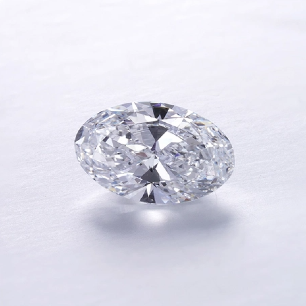
Moissanite’s chemical formula is SiC, which consists of silicon and carbon atoms arranged in a tetrahedral lattice. This structure contributes to its hardness, ranking 9.25 on the Mohs scale, just below diamond.
Moissanite crystals are naturally hexagonal, giving them a distinct internal structure that refracts light differently than cubic diamond crystals. This structure contributes not only to durability but also to moissanite’s signature fire and brilliance. Lab-grown moissanite replicates this crystalline perfection consistently, providing jewelers with uniform stones that can be cut and polished for optimal performance.
Moissanite’s refractive index ranges from 2.65 to 2.69, which is higher than diamond’s 2.42. This high refractive index allows moissanite to bend light more effectively, resulting in a sparkling appearance that is noticeable even under moderate lighting.
Moissanite exhibits a fire (light dispersion) of 0.104, more than twice that of diamonds (0.044). This creates vibrant rainbow flashes of color, especially in sunlight or under direct lighting.
Unlike diamonds, moissanite tends to display more colorful flashes due to its higher dispersion. Under LED or fluorescent lighting, its sparkle may appear slightly different from a diamond’s pure white brilliance, but many people find this visual effect even more striking.
Property | Moissanite | Diamond |
Chemical Composition | Silicon Carbide | Carbon |
Refractive Index | 2.65–2.69 | 2.42 |
Fire (Dispersion) | 0.104 | 0.044 |
Mohs Hardness | 9.25 | 10 |
Durability | Very High | Extremely High |
Typical Jewelry Use | Rings, Pendants, Earrings | All types |
Moissanite is extremely versatile, suitable for engagement rings, earrings, pendants, and bracelets. Jewelers optimize brilliance through careful faceting and precise setting techniques.
The number of facets affects how light enters and exits the stone. More facets can increase sparkle, while fewer facets may highlight clarity and color.
Precise cut symmetry ensures maximum light reflection, enhancing both brilliance and fire. Symmetrical cuts make moissanite visually stunning from all angles.
· Round Cut: Maximizes brilliance and fire; ideal for engagement rings.
· Cushion Cut: Offers a balance of vintage charm and sparkle; popular in pendants.
· Oval Cut: Elongates the finger and necklace line; elegant and modern.
· Emerald Cut: Provides a clear, structured look; highlights clarity over fire.
· Prong: Exposes more surface area to light, enhancing brilliance.
· Bezel: Provides security while maintaining a modern appearance.
· Halo: Surrounds the center stone with smaller gems for extra sparkle.
· Solitaire: Focuses attention solely on the moissanite for timeless elegance.
Moissanite and diamonds are both prized for their brilliance and durability, but they differ significantly in chemical composition, optical properties, and market perception. Understanding these distinctions helps consumers make informed choices when selecting gemstones for jewelry.
Diamonds are composed entirely of carbon and crystallize in a cubic structure, giving them remarkable hardness and a clear, sharp sparkle. Moissanite, on the other hand, is made of silicon carbide (SiC) and has a hexagonal crystal structure. This difference in atomic arrangement directly affects the way each gemstone interacts with light. Moissanite’s hexagonal lattice allows for greater light dispersion, which contributes to its signature “fiery” flashes. Both stones are exceptionally hard, with diamonds rated 10 and moissanite 9.25 on the Mohs hardness scale, making them suitable for everyday wear, but the slightly softer moissanite can be more susceptible to minor scratches over time.
Moissanite often appears more colorful than diamonds because of its higher refractive index (2.65–2.69) and dispersion (0.104), compared to diamonds with a refractive index of 2.42 and dispersion of 0.044. This results in a gemstone that shows vivid rainbow-like flashes under bright light, giving it a distinctive “fire” that many find visually captivating. Diamonds, in contrast, tend to reflect a sharper, whiter sparkle, which is often described as classic and understated. These differences are particularly noticeable in certain lighting conditions, such as indoor artificial light or sunlight streaming through a window.
Diamonds have long been considered a standard in the gemstone market and generally retain stronger resale value due to their historical prestige and global recognition. Moissanite, although increasing in popularity, is primarily valued for its aesthetic appeal and affordability rather than as a long-term investment. While lab-grown moissanite ensures consistent quality and color, it is still less recognized in traditional resale markets. Consumers often select moissanite for its beauty, ethical production, and cost-effectiveness rather than potential appreciation in value.
For those prioritizing sparkle, affordability, and ethical sourcing, moissanite offers significant advantages. It allows for larger, eye-catching stones at a fraction of the cost of diamonds while providing durability suitable for everyday wear. Diamonds, by contrast, appeal to buyers who value traditional prestige, long-term market recognition, and the classic, crisp sparkle that has defined fine jewelry for centuries.
Feature | Moissanite | Diamond |
Chemical Composition | Silicon Carbide (SiC) | Pure Carbon |
Crystal Structure | Hexagonal | Cubic |
Refractive Index | 2.65–2.69 | 2.42 |
Dispersion (Fire) | 0.104 | 0.044 |
Mohs Hardness | 9.25 | 10 |
Visual Appearance | Rainbow-like fire, colorful | Sharp, white sparkle |
Market Recognition | Growing acceptance | High, widely recognized |
Resale Value | Primarily aesthetic value | Potential investment value |
Typical Uses | Rings, pendants, earrings | All types of jewelry |
Moissanite offers a compelling combination of beauty, durability, and ethical sourcing that makes it an attractive choice for modern jewelry buyers.
Moissanite provides a similar visual impact to diamonds but at a fraction of the cost. This allows consumers to choose larger or more elaborate stones without exceeding their budget.
Many moissanite stones are lab-grown, which avoids the environmental and ethical concerns associated with traditional diamond mining. Choosing lab-grown moissanite supports responsible and sustainable jewelry practices.
With a Mohs hardness of 9.25, moissanite is highly scratch-resistant and suitable for everyday wear in rings, earrings, and bracelets. Its toughness ensures long-lasting performance even under regular use.
The gemstone’s high refractive index and dispersion create rainbow-like flashes and intense sparkle, often appearing more fiery than diamonds under certain lighting conditions.
While moissanite has many advantages, there are a few factors buyers should consider:
Moissanite can appear slightly warmer or exhibit subtle tints compared to colorless diamonds, which may be noticeable in certain cuts or lighting.
Although extremely durable, moissanite is slightly softer than diamond, meaning it can eventually show minor surface wear if not cared for properly.
Moissanite is not universally recognized as a traditional diamond substitute. This may influence resale value or perception in certain markets where diamonds remain the established standard.
Q1: Is moissanite a real gemstone?
Yes, it occurs naturally and can also be lab-grown.
Q2: Does moissanite look exactly like a diamond?
It is very similar but displays more fire and colorful flashes.
Q3: How durable is moissanite?
Extremely durable; ranks 9.25 on the Mohs hardness scale.
Q4: Can moissanite be used in all jewelry types?
Yes, it is suitable for rings, earrings, pendants, and more.
Q5: Is lab-grown moissanite ethical?
Absolutely. Lab-grown stones avoid mining and minimize environmental impact.
Moissanite is a modern, ethical, and dazzling alternative to diamonds, prized for its exceptional sparkle, vibrant fire, and impressive durability—all at a more accessible price. Whether natural or lab-grown, moissanite offers jewelers and consumers a versatile gemstone suitable for everyday wear, combining beauty with practicality. Its sustainable sourcing and affordability make it an ideal choice for those seeking luxury that is both stylish and responsible. For those interested in exploring high-quality moissanite options, Guangxi Wuzhou Starsgem Co., Ltd. provides a wide range of premium stones and professional services. Their expertise ensures consistent quality, brilliant cuts, and expert craftsmanship. Discover more about their collection or reach out directly to Guangxi Wuzhou Starsgem Co., Ltd. for personalized guidance and professional support in selecting exquisite moissanite gemstones that stand out in the contemporary jewelry market.


